



-
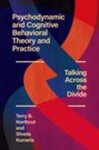
Psychodynamic and Cognitive Behavioral Theory and Practice
Terry B. Northcut and Shveta Kumaria
Psychodynamic theory and cognitive-behavioral therapy (CBT) are two theoretical frameworks and methods of intervention that have consistently been found to have therapeutic value, albeit with different symptoms and presenting problems. In this detailed and comprehensive book, both theories are examined through a historical and contextual lens. This analysis is combined with contributions from interpersonal neurobiology and psychotherapy research.
Northcut and Kumaria show that there is no one-size-fits-all theory, and all treatments must be tailored to the uniqueness of each client. They conclude that therapeutic work is intrapsychic, interpersonal, and must also be political in its influence on the macro (socio-political environment) to truly make a difference in clients' lives and the field of mental health. The importance of managing the therapeutic relationship in psychotherapy is highlighted with a special focus on professional awareness, attuned flexibility, responsiveness, and forms of deep listening.
Building on a strong psychodynamic relational frame, the authors provide a bridge to cognitive-behavioral theory and techniques. Case illustrations throughout demonstrate the importance of understanding clients within a social justice and relational perspective that draws on established strengths of both frameworks and guided by thoughtful, thorough case formulations that can adapt to client needs, values, and symptoms. The book's last two chapters bring the praxis of psychotherapy integration to life through case composites. These help illustrate how and when to integrate theories in order to tailor treatment to each client and their context.
Printing is not supported at the primary Gallery Thumbnail page. Please first navigate to a specific Image before printing.